CVTC HVACR Instructor Shares Winter Furnace Tips
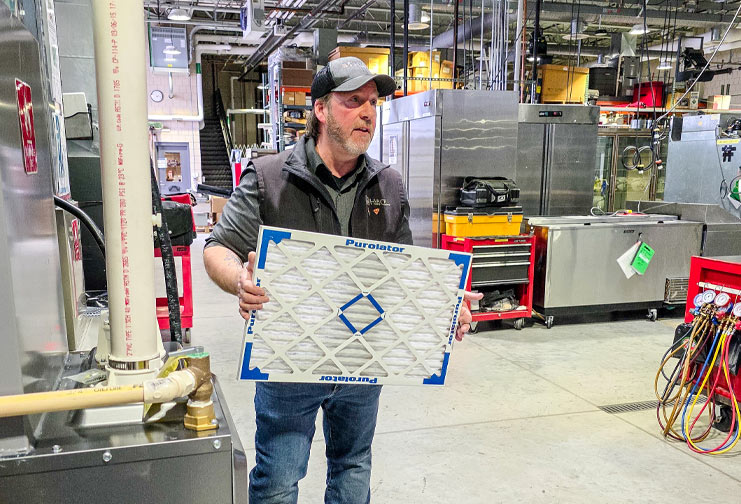
When winter hits, your furnace becomes one of the most essential systems in your home. But according to Fred Kosier, HVACR instructor at Chippewa Valley Technical College (CVTC), many homeowners don’t think about their heating system until something goes wrong.
“Just like your car needs regular oil changes, your furnace needs preventive maintenance,” Kosier said. “No one can ever schedule a breakdown; it always seems to happen on Christmas Eve.”
Preventive Maintenance Saves Money (and Stress)
Kosier encourages homeowners to schedule professional furnace checkups in the spring and fall. During these visits, HVAC technicians can identify small issues before they become costly repairs.
“The earlier we catch problems, the cheaper it’s going to be in the long run,” he explained. “The hardest part is convincing people to spend money on something that’s working fine, but that’s exactly when maintenance matters most.”
What Homeowners Can Do Themselves
While professional service is important, Kosier says there are several things homeowners can easily check on their own.
1. Change your furnace filter regularly.
Rather than following a strict timeline, Kosier recommends checking filters as needed, especially in homes with kids or pets.
“A plugged filter makes the furnace work harder and less efficiently,” he said. “Keeping it clean helps the furnace breathe and run the way it should.”
Filters don’t have to be the most expensive option, either. Reading the packaging can help homeowners choose the right balance between cost and efficiency.
2. Keep intake and exhaust vents clear.
Furnaces pull in fresh air and vent combustion gases outside. In winter, snow and ice can easily block these pipes.
“If those pipes get plugged, it’s going to cause an error on your furnace and result in a service call,” Kosier warned. Clearing snow buildup around vent pipes can prevent unnecessary shutdowns.
3. Check condensate drains and pumps.
High-efficiency furnaces produce condensation as part of the combustion process. That moisture needs a clear path to drain.
“If that line plugs up, it can cause error codes or even water damage,” Kosier said. Keeping drains and pumps clean can help prevent more significant issues.
Use Your Thermostat to Your Advantage
Modern programmable thermostats offer simple ways to save money without sacrificing comfort.
“There’s no reason to keep your house at 70 degrees when no one’s home all day,” Kosier said. “Using setback temperatures can really reduce heating costs.”
Lowering the temperature a few degrees while you’re at work or asleep can add up to meaningful savings over the course of the winter.
Leaving Town? Don’t Turn the Heat Off
One of the most common mistakes Kosier sees is homeowners shutting off their heat completely during extended trips.
“You never want to fully turn off your heat,” he said. “Frozen pipes can cause major damage,and that’s far more expensive than a slightly higher heating bill.”
He recommends setting the thermostat around 60 degrees to keep pipes safe while still conserving energy. Smart thermostats and temperature alerts can also notify homeowners if indoor temperatures drop too low.
CVTC Students Giving Back to the Community in Knowledge
Kosier also highlighted the impact of CVTC’s HVACR program on the region.
“Our students have a very high graduation rate, and they go straight to work with local companies across the Chippewa Valley,” he said. “If someone is servicing your furnace, there’s a good chance they’re a CVTC graduate.”
Those technicians are not only trained to keep homes comfortable, but they’re also giving back to the communities where they live and work.
As winter temperatures drop, Kosier’s message is simple: a little preparation now can prevent a lot of problems later. Regular maintenance, small homeowner checks, and smart thermostat use can go a long way toward keeping homes warm, safe, and efficient throughout the entire season.